How to Evaluate Firearm Fit, Controls and Intended Use
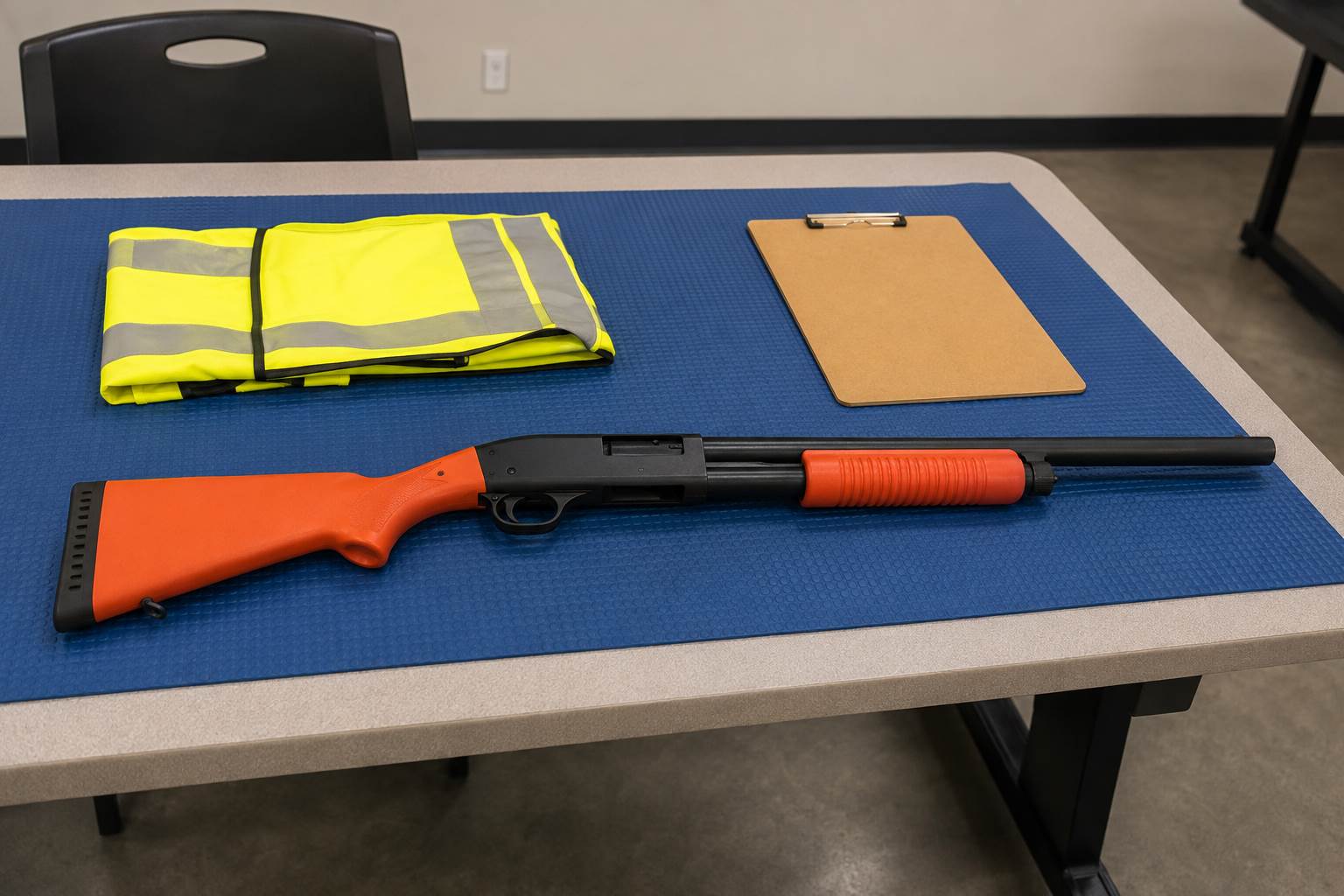
A suitable firearm is not always the lightest or most powerful option. It is one that the user can handle safely operate without confusion and maintain consistently for its purpose. Evaluating fit and controls before buying can prevent handling errors. Identify maintenance concerns.
Start with the job, not the model
The intended use should guide the decision without becoming an excuse to chase features. A firearm selected for range practice may have different priorities than one kept for lawful personal protection, hunting or collection. Consider what the owner reasonably expects to do with it.
Write down the use the likely storage location, who may handle it and how often practice and maintenance can realistically occur. If the purpose is unclear pause before purchasing. Unclear goals often lead to complexity, unsuitable accessories and neglected upkeep.
The same principle applies to lethal safety equipment. A device marketed as an alternative to a firearm still requires storage, training, operating limits and lawful use. No tool removes the need for judgment, distance, communication or professional instruction where appropriate.
Fit is a safety check, not a comfort extra
Fit affects reach, balance, stability and the ability to keep the muzzle pointed safely while operating controls. A grip that is too large can force the hand into a position. A stock or frame that is too long may make the user stretch for the trigger. Lose a consistent position. Excessive weight can become tiring during a range session.
When handling a firearm in a controlled setting check whether the user can establish a secure grip without shifting the hand to reach a control. The trigger finger should remain outside the trigger guard until the sights are on the intended target and the decision to fire has been made. The user should also be able to see the sights or aiming system without pressing the face into a position.
Fit is personal. Another persons hand size, experience or preference is no substitute for a hands-on evaluation.
Controls should be predictable under stress
Controls should be identifiable by touch and understandable without guesswork. Safety mechanisms, magazine releases, charging or action controls and slide or bolt locks should operate as the owners manual describes. They should not require force, unusual finger placement or a grip change that could place a finger near the trigger.
During a unloaded evaluation point the firearm in a safe direction and store all ammunition elsewhere. Identify the action verify the chamber is empty. Follow the manual's instructions for checking the controls. Never rely on a position indicator safe handling includes visual and physical verification.
A control that feels loose binds, moves or appears to activate without deliberate input is a red flag. Confusingly similar controls can create the risk. Stop the evaluation. Ask a qualified instructor or gunsmith for help. Do not reshape, polish or otherwise modify a safety- part.
Watch for symptoms before the range session
A new or newly acquired firearm is not ready simply because it is clean or appears undamaged. Look for loose components damaged sights, unusual wear, corrosion, missing pins or screws and signs of alteration. Check the bore and chamber only as directed by the manufacturer. Do not use a firearm with an obstruction, suspected damage or an unexplained change in operation.
A slide, bolt, cylinder or action that does not move as expected a magazine that will not seat or release normally or a trigger that feels different from its documented condition deserves attention. Do not diagnose a fault by firing more ammunition. Set the firearm aside safely. Consult the manufacturer, a qualified gunsmith or another appropriately trained professional.
Keep ammunition separate during inspection. Follow the owners manual for cleaning products, lubrication points and disassembly limits. More lubricant is not better and improvised tools or unapproved parts can create new problems.
Make the buying decision measurable
Use a checklist to keep enthusiasm from replacing judgment:
– Can the intended user hold and point the unloaded firearm safely without straining?
– Can the user identify and operate each control as described in the manual?
– Is it appropriate for the stated purpose and the users training level?
– Are storage, transport, training and maintenance practical in the owner's circumstances?
– Are there signs of damage, unsafe modification or inconsistent operation?
– Has the user confirmed current laws, regulations and local range requirements through official sources?
Rules, storage requirements, transport conditions and purchase procedures can change. General advice cannot replace guidance from the relevant government authority, law-enforcement agency or range. For a transfer private sale or used firearm verify the process before money or possession changes hands.
A used firearm deserves caution. Wear is not automatically dangerous, but unexplained wear, missing documentation altered controls or an unclear history should lower confidence. A professional inspection may cost time or money. Can be far less costly than overlooking a safety problem.
Build handling into ownership
Fit and controls matter only when paired with consistent habits. Store the firearm secured from access keep ammunition stored appropriately and use a case or other lawful method during transport. At the range follow posted rules keep the muzzle pointed safely keep the finger outside the trigger guard until ready to fire and treat every firearm as loaded until personally verified otherwise.
Training should cover the firearm, not merely a similar-looking model. Begin with handling and unloaded familiarization before live fire under conditions that match the range's rules and the owner's lawful purpose. If fatigue, distraction or confusion appears, stop. Ending a session early is safer than continuing with declining attention.
Responsible firearm selection is a prevention decision. The right choice is not the one, with the feature list; it is the one that fits the user communicates its operating condition clearly supports careful maintenance and has a defined lawful role. Any sign of damage a control fault or unexplained behavior is a reason to stop and seek help, not a challenge to overcome.